Hand Drawn Botanical Flower Review
I have spent years stitching everything from complex corporate logos to delicate heirloom pieces, and I know that the difference between a good embroidery project and a great one often comes down to the source file. When I first opened the Hand Drawn Botanical Flower collection, I didn't just see a bundle of vector illustrations; I saw potential for my next boutique client order. As an experienced designer who reviews these assets before they ever touch a hoop, I want to share a practical look at how this Graphics category item performs in real-world scenarios.
The First Impression: Mood and Visual Personality
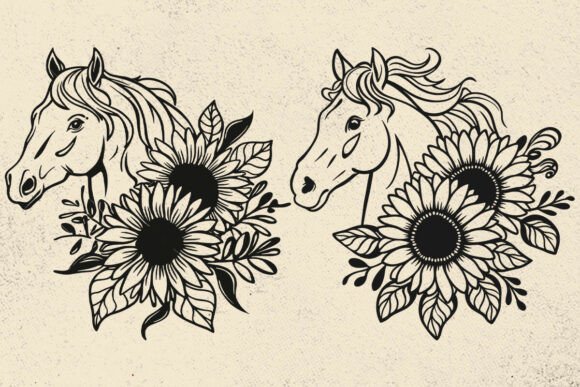
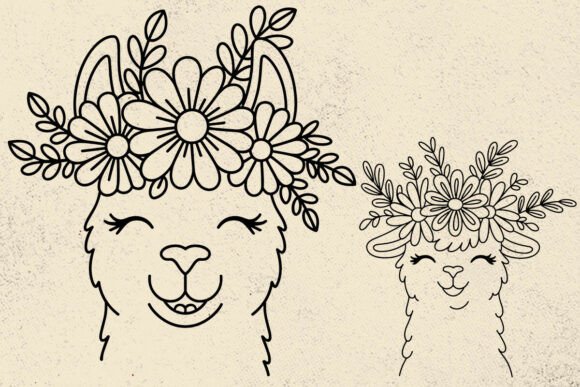
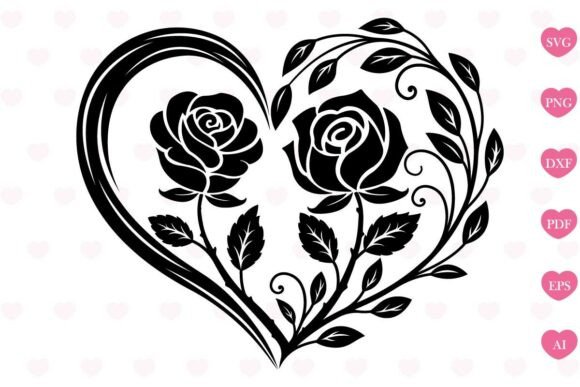
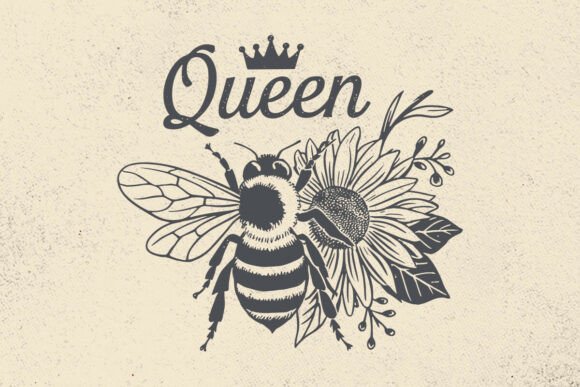
The moment you load the Hand Drawn Botanical Flower files into your digitizing software, the aesthetic is immediately distinct. Unlike the rigid, geometric florals that dominate many commercial bundles, these designs possess a loose, organic flow. The hand-drawn quality translates beautifully when converted into stitches, creating a soft, romantic mood that feels personal rather than manufactured. For a crafter or small business owner, this visual personality is gold. It suggests a product that is crafted with care, not mass-produced by a machine.
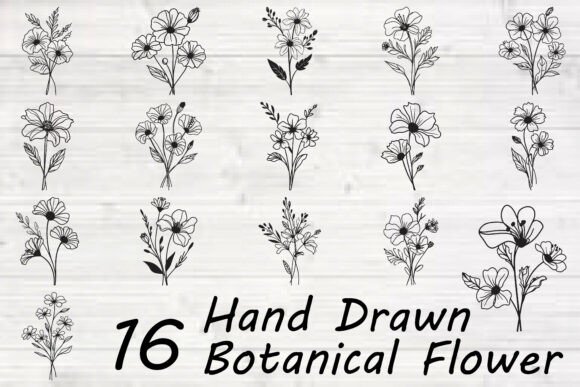
The layout of the 16 unique designs offers versatility without overwhelming the eye. Each floral arrangement features a natural balance of negative space and detail, which is crucial for machine embroidery design. If you are looking to create a cohesive brand identity for an Etsy shop or a handmade gift line, this collection provides the perfect visual anchor. It screams "boutique," "artisanal," and "thoughtful."
Real-World Application: From Digital File to Finished Product
To truly understand the value of this asset, let's walk through a specific scenario. Imagine you are preparing a custom order for a local wedding shower. The client wants embroidered tote bags for her bridesmaids as favors. She loves wildflowers but doesn't want anything too formal or stiff. This is where Hand Drawn Botanical Flower shines.
When I tested this design on a canvas tote bag, the results were impressive. The flowing lines of the botanicals translated well into a combination of satin stitch for the outlines and fill stitch for the petals. Because the original illustration has varied stroke widths, the resulting embroidery has depth. It doesn't look flat. On the finished product, the embroidery file creates a tactile texture that customers can feel, elevating the perceived value of the gift. A simple tote becomes a keepsake because of the design's ability to hold its shape while maintaining that hand-sketched charm.
Similarly, I envision this design working exceptionally well on baby items. A onesie or a blanket featuring a single, elegant bloom from this set looks timeless. The lack of sharp, aggressive angles makes it safe and soothing for nursery decor. Whether you are making a personalized gift for a new parent or creating a line of custom apparel for a children's boutique, the Hand Drawn Botanical Flower theme fits perfectly. It adds a layer of sophistication that generic clipart simply cannot achieve.
Navigating Technical Challenges and Fabric Choices
While the aesthetic appeal is undeniable, a professional review must address the technical realities of embroidery design. Not every fabric plays nice with every design, and knowing where to draw the line is part of being a successful Etsy seller or small shop product creator.
If you plan to use this on a cap or a curved surface like a sweatshirt shoulder, you need to be mindful of the hoop size. The intricate details in the Hand Drawn Botanical Flower set require enough stability to prevent puckering. On stretchy fabrics, such as standard cotton t-shirts or jersey blends, the density of the stitches might cause the fabric to gather if you don't use the right stabilizer. I strongly recommend testing the design on a scrap piece of your target fabric first. This step is non-negotiable for anyone selling commercial embroidery projects.
There are also specific limitations to consider. While the design is beautiful, using it on very small hoop sizes (like 4x4 inches) might result in lost detail. The delicate stems and tiny leaves could get lost in the stitching process, turning into a blob of thread rather than a defined flower. Similarly, if you are working with dark fabrics, you must carefully select your thread colors. A light-colored outline might get swallowed by a navy blue shirt unless you underlay properly or choose a high-contrast color palette. The design works best on medium-weight fabrics like denim, twill, or sturdy cotton where the stitches can sit proud without distorting the material.
Stitch Clarity and Design Integrity
One of the most common complaints I hear about digital assets is that they look great on screen but fail miserably when stitched. Fortunately, the Hand Drawn Botanical Flower collection avoids this pitfall. The vector nature of the source ensures that the curves remain smooth even after conversion. However, you still need to pay attention to the stitch density settings in your software. Too much density, and the fabric becomes stiff and uncomfortable; too little, and the coverage looks patchy.
For those creating embroidered patches, this design is a strong contender. The clear separation between elements allows for clean edges, which is vital for cut-out patches. Just ensure that your backing material is robust enough to support the weight of the embroidery. If you are planning to sell these as design assets or finished goods, the clarity of the final product directly impacts customer trust. A sloppy stitch job on a $30 item will hurt your reputation faster than a bad marketing campaign.
Practical Notes for the Creative Entrepreneur
Before you rush to list this on your store or start your holiday gift production, there are a few critical checks to perform. First, verify the licensing terms. Are you allowed to sell the finished physical items? Can you resell the digital files themselves? These questions vary wildly between creators, and assuming you can sell without checking is a risk no craft business owner should take.
Secondly, always test your stitch density and hoop size combinations. I advise creating a black and white mockup of the design on your intended background color before cutting any fabric. This helps you visualize the contrast and ensures that the running stitch and satin stitch areas are balanced correctly. Don't forget to inspect the small details; sometimes, a tiny leaf might disappear if the thread tension isn't perfect.
Finally, consider the washing instructions you will provide to your customers. Embroidery on handmade products needs to withstand wear and tear. Using a proper stabilizer during creation and advising customers to wash inside out on gentle cycles will extend the life of your finished product.
Final Thoughts on Value and Versatility
In conclusion, the Hand Drawn Botanical Flower bundle is more than just a pretty picture; it is a functional tool for designers who care about quality. It bridges the gap between digital art and textile art effectively, offering a mood that resonates with modern consumers who value authenticity. Whether you are decorating a kitchen towel for a holiday gift, branding a new line of apron embroidery, or creating a unique tote bag design, this collection provides the foundation for a professional look.
It is not a magic solution for every fabric type, but with the right preparation and respect for the technical constraints, it delivers a stunning result. For any creative entrepreneur looking to elevate their apparel decorator services or expand their digital product offerings, this is a worthy investment. It brings a sense of warmth and elegance that turns a simple craft item into a cherished object.